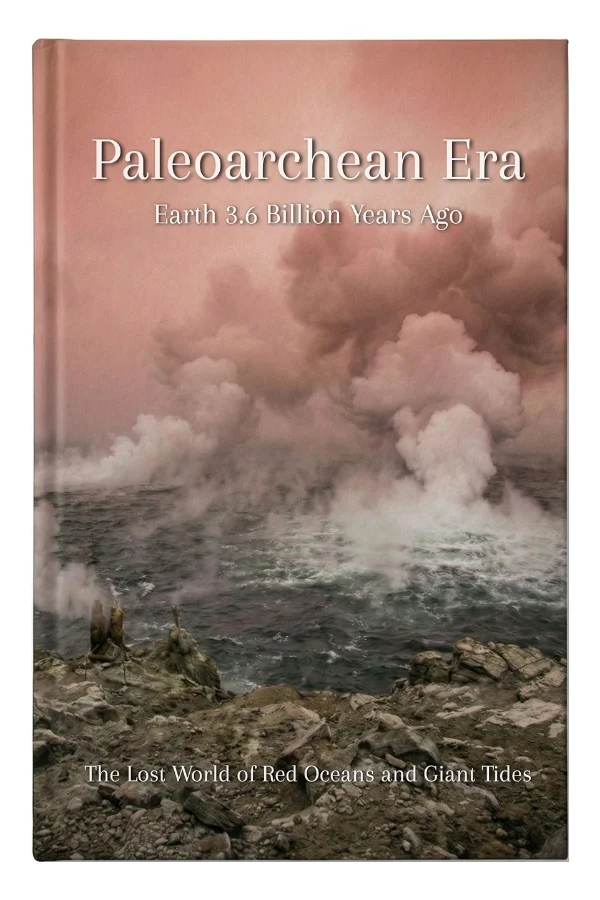
The Paleoarchean Era: Earth’s Untold 400 Million Years
Uncovering the Origins of Life, Continents, and Atmosphere 3.6 Billion Years Ago
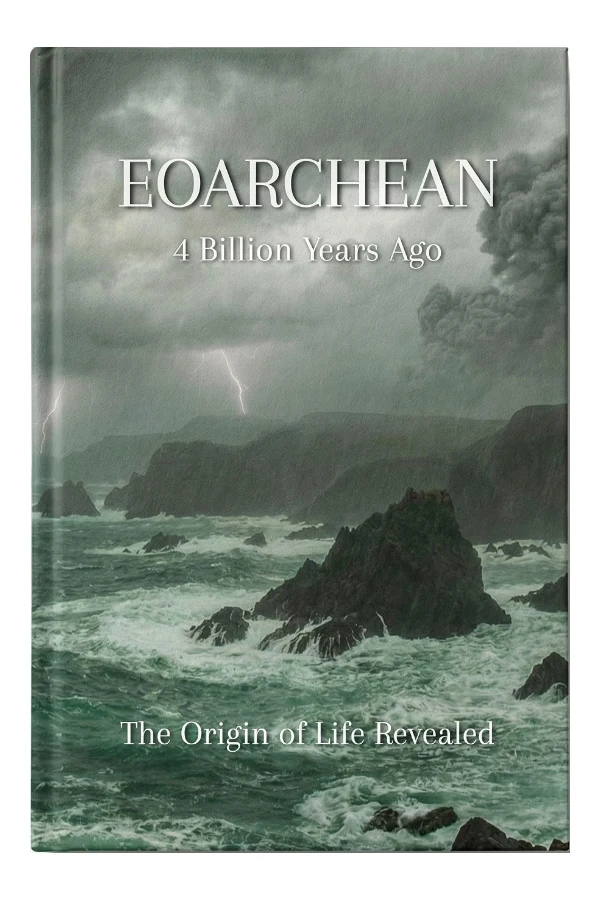
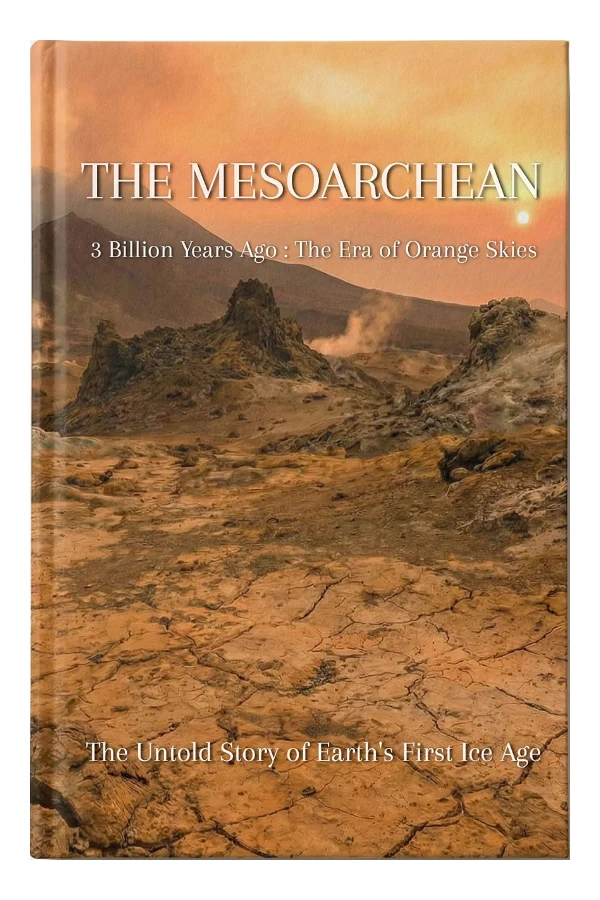
What did Earth look like 3.6 billion years ago? It wasn't the blue marble we know today. It was a world of red oceans, orange skies, and a moon that loomed massive in the night. In the Paleoarchean Era, the Earth was a violent, dynamic, yet surprisingly fertile place. This book takes you on a scientific journey back to the dawn of our planet. Based on the latest geological evidence from South Africa's Barberton Greenstone Belt and Western Australia's Pilbara Craton, we reconstruct the "youthful face" of Earth. Discover how life survived without oxygen, how the first continents (Vaalbara) were formed, and how our planet survived cataclysmic meteorite impacts that boiled the oceans. 【Digest Table of Contents】 - Chapter 3: The Barberton Greenstone Belt - Walk on the 3.5-billion-year-old seabed and see physical evidence of the first rain. - Chapter 5: The First Supercontinent Vaalbara - The fascinating story of the "lost brother" connecting Africa and Australia. - Chapter 7: Definite Traces of Early Life - Beyond the controversy: The undeniable proof of microbes that built the first ecosystems. - Chapter 9: The Day the Oceans Boiled - The "S2 Impact" released energy 200 times greater than the asteroid that killed the dinosaurs. How did life survive? - Chapter 10: The Dawn of Plate Tectonics - From "Vertical Drip" to "Horizontal Move": The moment Earth's engine started running. - Chapter 14: Implications for Astrobiology - Why studying early Earth is the key to finding life on Mars (Jezero Crater). Perfect for science enthusiasts, students of geology, and anyone wondering "Where did we come from?"
- Genre
- Space & science
- Format
- Ebook